
Monthly budgeting for beginners doesn’t have to feel overwhelming or complicated. This guide is for anyone who’s ready to take control of their money but doesn’t know where to start – whether you’re fresh out of college, starting your first job, or simply tired of wondering where your paycheck goes each month.
Creating your first budget is like learning to ride a bike. It might feel wobbly at first, but once you get the hang of the basic budgeting steps, you’ll wonder how you ever managed without this essential money management tool.
In this step-by-step guide, you’ll discover how to track every expense so you can see exactly where your money goes each month. We’ll also walk you through different budgeting methods to help you find the approach that fits your lifestyle best. Plus, you’ll learn practical tips for building sustainable habits that actually stick, so your budget becomes a natural part of your routine rather than a monthly chore you dread.
By the end of these seven simple steps, you’ll have all the personal finance basics you need to create a beginner budget plan that works for your real life – not some perfect scenario that only exists on paper.
Set Clear Financial Goals to Stay Motivated

Identify Specific Short-term and Long-term Money Objectives
The foundation of successful monthly budgeting for beginners lies in establishing clear financial goals that provide direction and purpose to your money management efforts. Start by taking time to think about what you truly want to achieve financially, both in the near future and over the long term. Discuss these aspirations with those closest to you, make comprehensive lists, and don’t be afraid to dream a little about your ideal financial future.
Short-term financial goals typically span weeks to months and might include building an emergency fund, paying off credit card debt, or saving for a vacation. Long-term objectives extend years into the future and could encompass buying a home, planning for retirement, or funding your children’s education. The key is breaking down big or long-term goals into more manageable intermediate steps, as smaller milestones provide psychological boosts when you reach them and help maintain momentum throughout your budgeting journey.
When identifying your money objectives, ensure they align with the SMART criteria – making them Specific, Measurable, Attainable, Relevant, and Time-bound. For instance, rather than saying “I want to save money,” specify “I want to save $3,000 for an emergency fund within 12 months by setting aside $250 monthly.” This approach transforms vague wishes into actionable plans that integrate seamlessly with your monthly budgeting process.
Create Visual Reminders Like Photos or Vision Boards
Visual motivation plays a crucial role in maintaining commitment to your financial goals throughout your budgeting journey. Creating tangible reminders of what you’re working toward helps transform abstract financial objectives into concrete, inspiring images that keep you focused during challenging moments.
Consider creating a vision board featuring photos of your desired outcomes – whether it’s a picture of your dream home, vacation destination, or a graph showing your debt payoff progress. Place these visual reminders in prominent locations where you’ll see them daily, such as your refrigerator, office space, or as your phone’s wallpaper. The constant visual reinforcement helps maintain motivation when the temptation to overspend arises.
For those preferring analog tracking methods, hang a progress chart on your refrigerator and color in segments each time you take a step toward your goal. This simple visual representation of progress provides satisfaction and motivation as you watch your efforts accumulate over time. Digital apps can also serve as visual tracking tools, but the physical presence of charts and images often creates a stronger psychological connection to your financial objectives.
Focus on Realistic and Achievable Targets
Setting realistic and achievable financial targets is essential for building sustainable budgeting habits and avoiding the discouragement that comes with overly ambitious goals. Your objectives should challenge you while remaining attainable within your current income and expense structure. If a goal doesn’t fit comfortably in your budget, make adjustments to either the goal timeline or your spending plan – or both.
Begin with foundational financial goals that experts consider essential for financial wellbeing: eliminating high-interest debt, establishing an emergency fund, and beginning retirement savings. Once these crucial objectives are in place, you can redirect attention and resources toward more flexible goals like home down payments, vehicle purchases, or vacation savings.
Consider your personal circumstances, income stability, and existing financial obligations when setting targets. A realistic emergency fund goal might start with $500 rather than the traditional three-to-six months of expenses, allowing you to experience success and build confidence before tackling larger objectives. Remember that achieving smaller, realistic goals creates positive momentum and establishes the budgeting habits necessary for tackling more ambitious financial targets in the future.
Regular review and adjustment of your goals ensures they remain relevant and achievable as your financial situation evolves. Life changes such as salary increases, new family members, or unexpected expenses may require modifications to your original targets, and this flexibility is crucial for maintaining long-term budgeting success.
Calculate Your True Monthly Income

Use net take-home pay for W-2 employees
When calculating your monthly income for budgeting purposes, the most accurate approach is to use your net take-home pay rather than your gross salary. This is the actual amount that hits your bank account after taxes, health insurance premiums, 401(k) contributions, and other deductions have been removed from your paycheck.
Your take-home pay represents the real money available for your monthly budgeting needs. Using gross income would create an unrealistic budget that doesn’t reflect your actual financial situation. To determine this amount, look at your most recent pay stub and identify the net pay figure. If you’re paid bi-weekly, multiply this amount by 26 and divide by 12 to get your monthly figure. For weekly paychecks, multiply by 52 and divide by 12.
Don’t forget to include any additional regular income streams in your calculation, such as side hustle earnings or freelance work. However, only count income that you can reliably expect each month when creating your budget foundation.
Set aside tax money for contractors and self-employed individuals
Now that we’ve covered traditional employees, contractors and self-employed individuals face a different challenge in calculating their true monthly income. Unlike W-2 employees who have taxes automatically deducted, independent contractors receive their full payment and must handle tax obligations themselves.
The key principle here is to immediately set aside money for taxes before considering it available income for budgeting. Generally, you should reserve 25-30% of your gross income for federal and state taxes, plus self-employment taxes. This percentage may vary based on your income level and location.
Create a separate savings account specifically for tax purposes and transfer this money immediately upon receiving payment. Only the remaining amount after setting aside taxes should be considered your true monthly income for budgeting purposes. This approach prevents the common mistake of spending money that technically belongs to the government, which can lead to financial stress during tax season.
Base budget on lowest monthly income if earnings fluctuate
For individuals with variable income, whether from commission-based sales, seasonal work, or irregular freelance projects, determining monthly income becomes more complex. The most effective strategy for monthly budgeting for beginners with fluctuating earnings is to base your budget on your lowest expected monthly income.
Review your income history over the past 6-12 months and identify your lowest-earning month. Use this figure as your baseline monthly income for budgeting purposes. This conservative approach ensures you can always cover your essential expenses, even during slower periods.
When you earn more than your baseline amount in a given month, resist the urge to immediately increase your spending. Instead, use the extra income to build your emergency fund, pay down debt, or save for specific goals. This financial planning approach creates stability in an otherwise unpredictable income situation and prevents the feast-or-famine cycle that often affects variable income earners.
Track Every Expense to Understand Spending Patterns
Record all purchases including small transactions
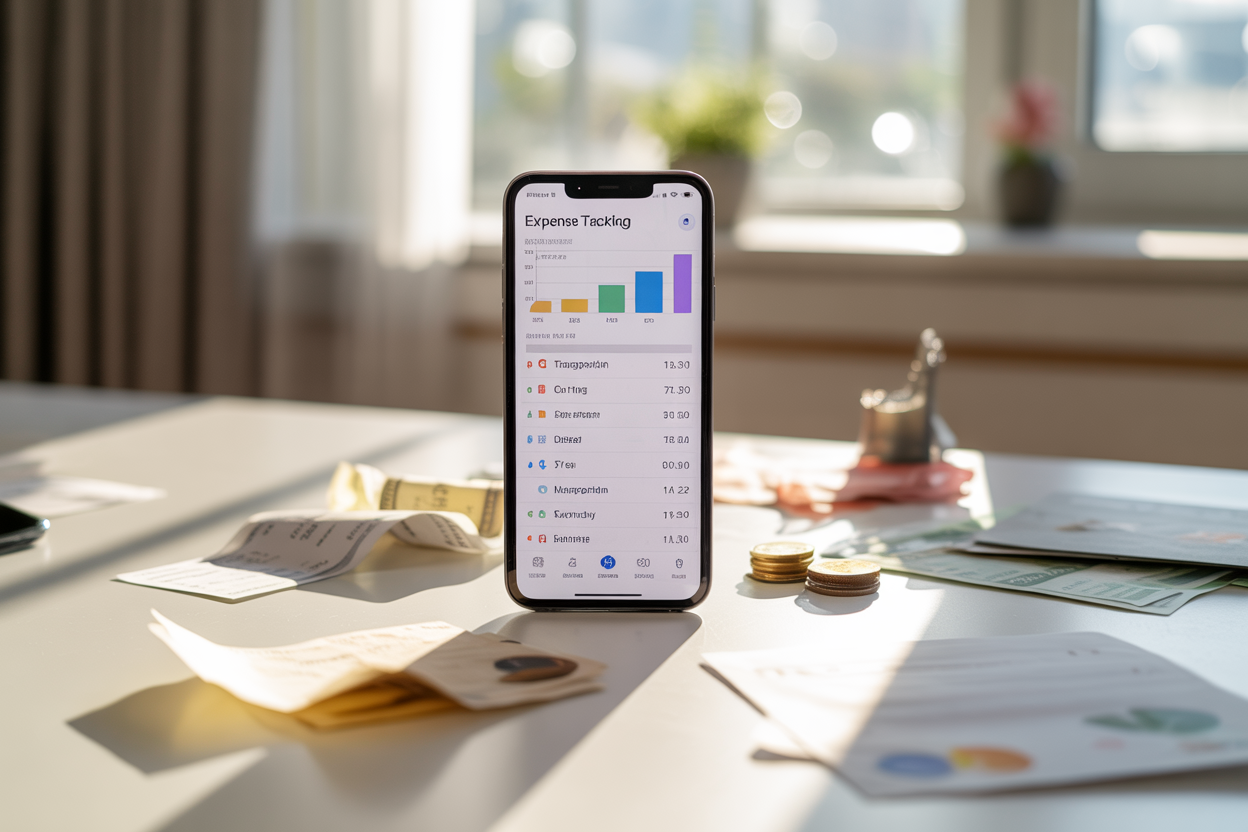
Effective expense tracking starts with recording every single purchase, no matter how small. Many beginners make the mistake of only tracking major expenses while overlooking smaller transactions like coffee, snacks, or parking fees. These seemingly insignificant purchases can add up to substantial amounts over time and create gaps in your budgeting accuracy.
The key to comprehensive expense tracking is developing a habit of logging purchases immediately after making them. Whether you spend $2 on a coffee or $200 on groceries, each transaction provides valuable data about your spending patterns. Small purchases often reveal impulse buying habits that can significantly impact your overall financial health.
Monitor cash, check, credit card, and digital payment transactions
Modern spending happens across multiple payment methods, making it essential to track all transaction types systematically. Your checking account statements will capture debit card purchases, automatic bill payments, and written checks, while credit card statements document all card-based transactions. Don’t forget to monitor digital payment platforms and mobile apps, as these are increasingly common for everyday purchases.
Each payment method requires different tracking approaches. Cash transactions are the most challenging to monitor since they don’t automatically generate digital records. Credit card and digital payments offer built-in tracking through monthly statements and app notifications. Many personal finance websites and credit cards automatically categorize your purchases into themes like “department store” or “automotive,” helping you identify spending patterns more easily.
Keep receipts and review bank statements regularly
Establishing a routine for reviewing financial records is crucial for accurate expense tracking. Set a regular schedule to examine your bank statements, whether monthly or quarterly, to ensure you haven’t missed any transactions. This systematic review helps you identify recurring subscription services you may have forgotten about, such as streaming platforms or software subscriptions.
Maintaining receipts provides backup documentation for your expenses and helps verify the accuracy of your bank statements. Regular monitoring allows you to spot discrepancies early and catch any unauthorized charges. This consistent review process also helps you recognize spending themes and patterns that might not be immediately obvious, enabling you to make more informed budgeting decisions moving forward.
Categorize Expenses into Needs and Wants

List all monthly fixed and variable expenses
Once you’ve calculated your true monthly income and tracked your spending patterns, the next crucial step in monthly budgeting for beginners is creating a comprehensive list of all your expenses. Start by gathering bank statements, credit card bills, and receipts from the past three months to ensure you capture everything.
Your fixed expenses remain relatively constant each month and typically include housing costs like rent or mortgage payments, insurance premiums, car payments, and minimum debt payments. These are often your largest financial needs and form the foundation of your budget structure.
Variable expenses fluctuate from month to month and require more careful tracking. These include groceries, gas, utilities, and discretionary spending. While utilities fall under needs, their costs can vary seasonally – your electricity bill might spike during summer months with air conditioning use, or heating costs may increase in winter.
Create separate columns for fixed and variable expenses to better understand your spending patterns. Fixed expenses are easier to budget for since they’re predictable, while variable expenses require you to calculate averages based on your tracking data.
Separate essential expenses from discretionary spending
Now that you have your complete expense list, it’s time to categorize each item as either a need or a want – a fundamental skill in personal finance basics. This separation helps prioritize your spending and identifies areas where you can make adjustments if needed.
Essential expenses or “needs” include the basic necessities required for everyday life. According to financial experts, these critical items encompass:
- Housing: Rent, mortgage payments, homeowners or renters insurance, and basic home maintenance
- Utilities: Water, electricity, heating, and air conditioning to keep your home functional
- Food: Groceries for home cooking (though dining out falls under wants)
- Transportation: Car payments, gas, auto insurance, maintenance, or public transportation costs
- Healthcare: Insurance premiums, co-pays, deductibles, and essential medical expenses
- Childcare: Care costs for young children when parents are working
- Debt payments: Minimum payments on loans and credit cards to maintain good credit
Discretionary spending or “wants” represents expenses that improve your quality of life but aren’t essential for survival. These might include restaurant meals, entertainment subscriptions, gym memberships, new clothing beyond basic needs, hobbies, and vacation travel.
The distinction between needs and wants can sometimes be subjective and depends on individual circumstances. For instance, while clothing is a need, shopping at expensive boutiques versus thrift stores represents different spending choices within that category.
Identify recurring charges and subscription services
With this in mind, next examine your bank statements carefully to identify all recurring charges and subscription services – these often represent hidden money drains in many budgets. Many people underestimate how much they spend on monthly subscriptions, which can significantly impact your budgeting success.
Common recurring charges include:
- Entertainment subscriptions: Netflix, Spotify, Amazon Prime, magazine subscriptions
- Fitness memberships: Gym memberships, yoga studios, fitness apps
- Software subscriptions: Cloud storage, productivity apps, antivirus software
- Delivery services: Meal kits, grocery delivery, subscription boxes
Review each subscription critically and determine whether it falls under needs or wants based on your values and lifestyle. A basic phone plan might be essential for work communication, while premium streaming services are typically wants that enhance entertainment but aren’t necessary.
Many financial experts recommend conducting a monthly subscription audit, as people often forget about services they’re not actively using. Cancel any subscriptions that no longer provide value or that you can temporarily pause to free up money for higher-priority budget categories.
This categorization process using the needs versus wants framework becomes the foundation for choosing the right budgeting method and making informed decisions about where to allocate your monthly income most effectively.
Choose the Right Budgeting Method for Your Situation
Apply the 50/15/5 guideline for expense allocation
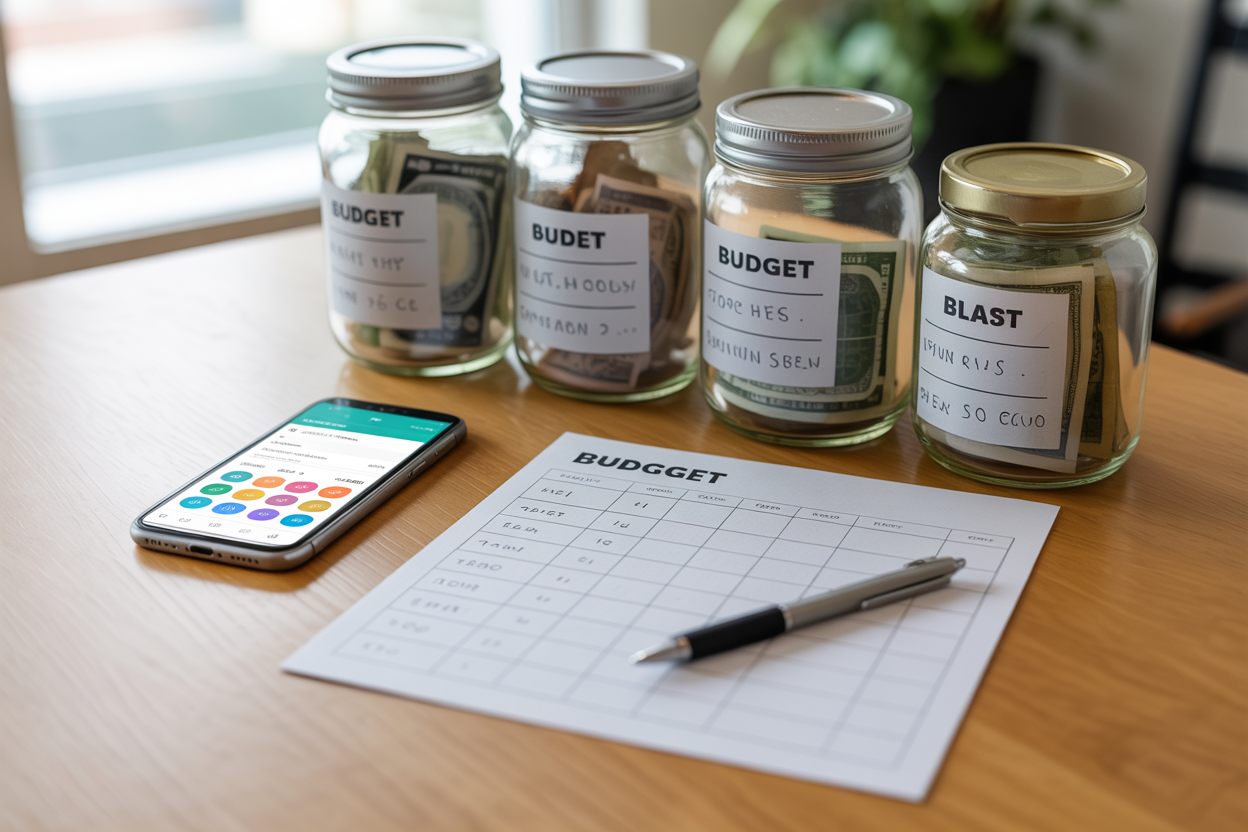
Now that you’ve learned to track your expenses and categorize them, it’s time to choose a budgeting method that fits your lifestyle. For beginners looking for a straightforward approach to monthly budgeting, the 50/15/5 guideline offers an excellent foundation that simplifies personal finance basics while ensuring your financial priorities are met.
This modified version of the traditional 50/30/20 rule provides more specific guidance for retirement savings and emergency fund building. Unlike the standard approach where 20% goes to general savings and debt repayment, the 50/15/5 method breaks down your savings goals into clear, actionable percentages that align with long-term financial health.
The beauty of this budgeting method lies in its simplicity and balance. It acknowledges that you need to cover your essential expenses while also prioritizing your future financial security. This approach is particularly effective for those just starting their financial planning for beginners journey because it provides clear targets without overwhelming complexity.
Allocate 50% for essential expenses
The largest portion of your income – 50% – should cover your essential expenses or “needs.” These are the non-negotiable costs that keep your life running smoothly. Your essential expenses include rent or mortgage payments, utilities, groceries, insurance premiums, minimum debt payments, and transportation costs.
When implementing this aspect of your beginner budget plan, be honest about what truly qualifies as a need versus a want. Housing costs should ideally stay within this 50% allocation, but if you’re living in a high-cost area where rent exceeds this percentage, you’ll need to make adjustments in other categories or consider ways to reduce housing expenses.
Food expenses fall into this category, but be mindful of the difference between groceries (needs) and dining out frequently (wants). Basic transportation costs for getting to work are essential, while premium features or luxury upgrades typically fall into the wants category.
If your essential expenses exceed 50% of your income, this is a clear signal that you may need to find ways to reduce these costs or increase your income. This could mean finding a roommate, switching to a less expensive phone plan, or exploring more affordable grocery options.
Save 15% for retirement and 5% for emergencies
Previously, we’ve established the importance of having clear financial goals – now we’ll see how the remaining 30% of your income supports your future financial security through strategic savings allocation.
The 15% retirement savings rate represents a significant commitment to your long-term financial health. This percentage should go toward retirement accounts such as a 401(k), especially if your employer offers matching contributions, or an IRA. If 15% seems overwhelming initially, start with your employer’s match percentage and gradually increase your contributions by 1-2% annually until you reach the full 15%.
The 5% emergency fund allocation ensures you’re building a financial safety net for unexpected expenses. This emergency fund should eventually cover 3-6 months of essential expenses, providing protection against job loss, medical emergencies, or major home repairs. Until you reach this target, consistently saving 5% of your income will steadily build this crucial financial buffer.
With this in mind, the remaining 30% of your income provides flexibility for discretionary spending on entertainment, dining out, hobbies, and other lifestyle choices. This allocation ensures you can enjoy life while still meeting your essential needs and building long-term wealth.
The 50/15/5 method works particularly well for money management because it creates a sustainable balance between present needs and future security. Unlike more restrictive budgeting methods, this approach allows for lifestyle flexibility while maintaining disciplined savings habits that compound over time.
Make Gradual Changes to Build Sustainable Habits

Maintain Consistency for Long-term Success

Schedule regular budget review sessions
Now that you’ve established your budgeting system, scheduling consistent budget reviews is crucial for maintaining long-term financial success. Regular budget check-ups allow you to adapt to life’s changes and ensure your financial plan remains realistic and effective.
Set up structured review sessions weekly, monthly, or quarterly depending on your preference and complexity of your finances. Life isn’t static, and your budget shouldn’t be either. Perhaps you’ve been following your initial budget guidelines, but they’re not working after a few months. Your savings or debt payoff goals might have been too aggressive, or you might have overlooked seasonal expenses like holiday gifts.
During these scheduled sessions, assess whether your current allocations align with your actual spending patterns. Review monthly patterns to spot trends and identify areas that need adjustment. If you have a partner or family, use these checkups to keep everyone informed and accountable. Create a monthly review routine by establishing clear goals and setting specific times to assess your financial progress.
These regular analysis sessions are essential for reallocating funds to accommodate new priorities or unexpected expenses, helping maintain your overall financial health.
Track spending weekly when starting out
Previously, you’ve learned about setting up your budget structure, but tracking spending weekly provides the perfect balance between detailed oversight and time efficiency when you’re beginning your budgeting journey. Weekly budgeting offers less time-intensive management compared to daily tracking while providing flexibility for quick adjustments and maintaining oversight of spending patterns.
For beginners in monthly budgeting, weekly tracking serves as an excellent stepping stone. This approach allows you to break down monthly objectives into manageable weekly targets, making your financial goals feel more achievable. For example, you might set dining out limits of $50 per week or allocate $20 weekly toward your monthly savings objectives.
Weekly budget goals help reinforce good budgeting behavior through smaller money wins. You can define weekly objectives by breaking monthly totals into manageable targets, then regularly assess progress and adapt as necessary for better results. This frequency provides immediate responsiveness to spending issues while avoiding the overwhelming nature of daily expense tracking.
Monitor your progress throughout each week and refine your approach based on what you discover. Weekly summaries will inform your monthly reviews and adjustments, creating a comprehensive tracking system that builds sustainable habits.
Adjust your budget monthly as needed
With this foundation of regular reviews and weekly tracking established, monthly adjustments become the cornerstone of successful long-term budgeting. Monthly budgeting aligns perfectly with most bill cycles and payroll schedules, making it an ideal cadence for most individuals seeking financial stability.
During your monthly adjustment sessions, focus on analyzing spending patterns and reallocating funds where necessary. If you consistently overspend in certain categories, reassess your budget allocations and consider adjusting spending limits or finding ways to reduce expenses in those areas. This might involve moving funds between categories to better reflect your actual needs and priorities.
Monthly budgeting provides the advantage of long-term financial planning scope while reducing the daily burden of tracking every expense. However, it’s important to address the potential drawback of less immediate responsiveness by incorporating your weekly tracking data into these monthly reviews.
Create a systematic approach to monthly adjustments by categorizing your income and expenses, including all sources like salary and side hustles. Group expenses into fixed costs (rent, utilities), variable expenses (groceries), and discretionary spending (entertainment). This categorization makes it easier to identify where adjustments are most needed and ensures essential expenses remain covered while optimizing your discretionary spending for maximum financial benefit.

Mastering monthly budgeting doesn’t happen overnight, but following these seven simple steps creates a solid foundation for your financial future. By setting clear goals, understanding your true income, tracking every expense, and distinguishing between needs and wants, you’ll develop the awareness needed to make smarter spending decisions. Choosing the right budgeting method for your situation and making gradual changes will help you build sustainable habits that last.
Remember, consistency is the key to long-term budgeting success. Give yourself time to adjust—it can take a month or two to get comfortable with your new spending plan. Don’t aim for perfection right away; instead, focus on making small improvements each month. As you stick to your budget and hit your milestones, celebrate your progress. With discipline and patience, budgeting will become second nature, moving you closer to your financial goals and giving you greater control over your money.