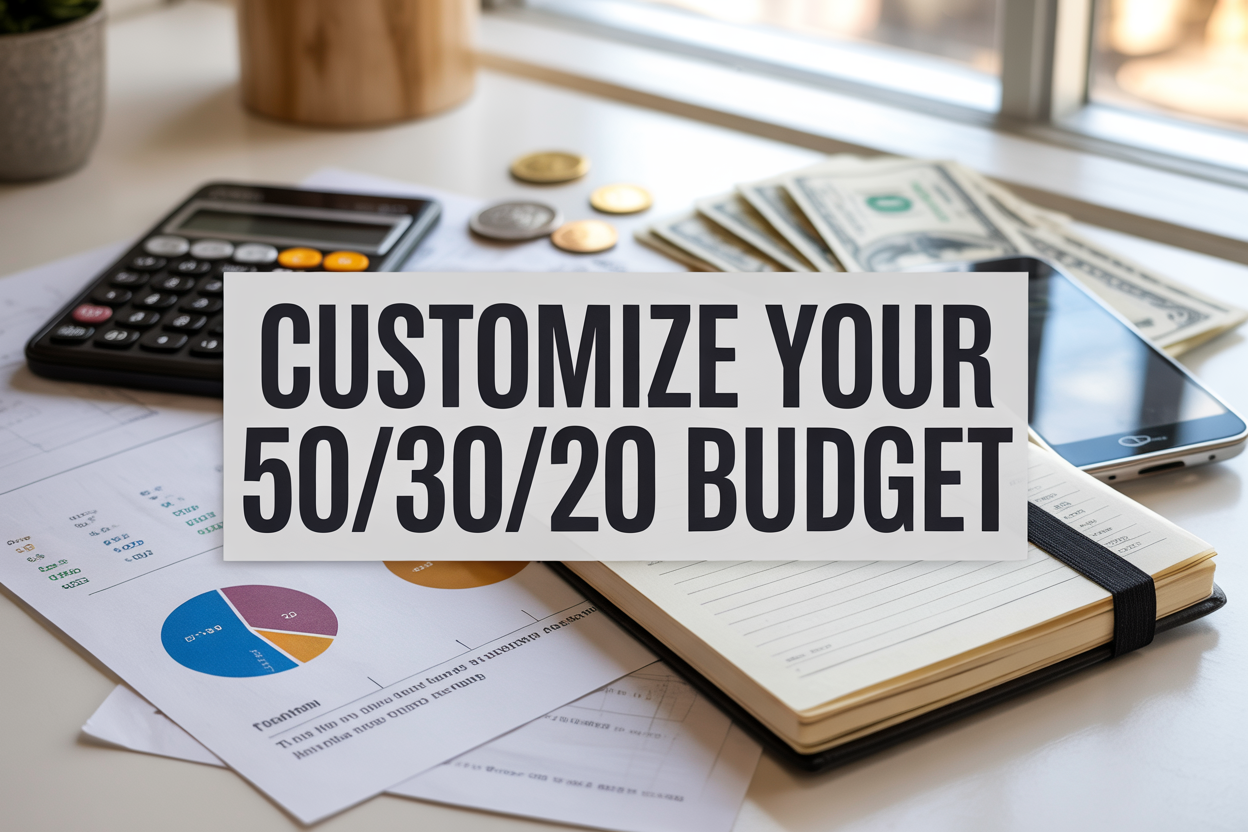
The 50/30/20 rule is a solid budgeting foundation, but it’s not one-size-fits-all. This popular framework—splitting your after-tax income into 50% needs, 30% wants, and 20% savings—works great for many people, but your life situation might call for tweaks to make it truly effective.
This guide is for anyone who’s tried the 50/30/20 rule and found it doesn’t quite fit their reality, or for those who want to customize 50/30/20 budget percentages before diving in. Maybe you’re dealing with high living costs, aggressive debt payoff goals, or a career transition that changes your priorities.
We’ll walk you through how to understand your current financial picture before making changes, adjust percentages based on your life stage and income level, and personalize both your needs and wants categories to match what actually matters to you. You’ll also discover ways to optimize your savings strategy within that 20% framework to hit your specific goals faster.
Understand Your Current Financial Picture Before Customizing

Calculate your exact after-tax income from all sources
To effectively customize the 50/30/20 budget for your unique circumstances, you must first establish a precise understanding of your net income. This forms the foundation upon which all budget customization decisions will be built. Calculate your after-tax income by subtracting all taxes and mandatory deductions from every source of income you receive.
Your net income calculation should include:
- Primary salary or wages after federal, state, and local taxes
- Freelance or side hustle earnings after applicable tax withholdings
- Rental property income after associated taxes
- Investment dividends and interest income
- Any other regular income streams
Don’t overlook mandatory deductions such as health insurance premiums, retirement plan contributions, and union dues, as these reduce your available spending money just as taxes do.
Track and categorize your expenses for 1-2 months
Once you’ve established your true net income, the next critical step involves meticulously tracking your spending patterns. Monitor and record every expense for one to two months to gain comprehensive insight into your actual spending habits. This tracking period provides the data foundation necessary for effective budget customization.
During this tracking phase, categorize each expense as you record it. Create detailed categories that reflect your specific lifestyle and spending patterns. This systematic approach reveals spending trends that might otherwise remain hidden and helps identify areas where the standard 50/30/20 rule may require adjustment for your personal situation.
Identify which expenses are truly needs versus wants
With your spending data collected, critically analyze each expense category to distinguish between genuine needs and discretionary wants. Needs encompass expenses essential for survival and basic functioning, including housing costs, utilities, minimum debt payments, basic transportation, and essential food purchases.
Wants represent discretionary items that enhance your lifestyle but aren’t fundamental necessities. These might include dining out, entertainment subscriptions, gym memberships, or upgraded technology purchases. This classification process often reveals surprising insights about spending patterns and highlights areas where you have flexibility in budget allocation.
Determine if your spending aligns with the standard 50/30/20 breakdown
After classifying your expenses into needs and wants categories, analyze how your current spending compares to the traditional 50/30/20 framework. Calculate the percentage of your net income currently allocated to each category and compare these figures to the standard breakdown.
This analysis reveals whether you’re overspending in certain areas or have room for optimization in others. Understanding these discrepancies helps identify where adjustments might be needed when customizing your personalized budgeting strategy. Some individuals may discover they naturally spend less on wants but more on needs due to higher housing costs, while others might find the opposite pattern in their spending habits.
Adjust Percentages Based on Your Life Stage and Income Level

Modify Allocations for Low-Income Earners Whose Needs Exceed 50%
For individuals earning lower incomes, the traditional 50/30/20 rule often proves unrealistic, as essential expenses frequently consume more than 50% of their monthly income. When customizing the 50/30/20 budget for this situation, the percentages require significant adjustment to reflect financial reality.
Low-income earners may find themselves allocating 60-70% or even more of their income to needs, leaving limited room for wants and savings. This necessitates a budgeting percentages adjustment that prioritizes survival while still maintaining financial progress. Consider reducing the wants category to 10-15% and the savings portion to 15-20% initially, then gradually working toward the traditional percentages as income increases.
When essential needs exceed 50%, it’s crucial to re-evaluate living situations and actively seek opportunities to reduce costs. This might involve finding more affordable housing, reducing transportation expenses, or exploring ways to lower utility bills.
Increase Savings Percentage for High Earners or Those with Aggressive Goals
High-income earners have the unique opportunity to modify their 50/30/20 budget by dramatically increasing their savings allocation. Those earning substantially above their basic needs can comfortably reduce their needs percentage below 50% while boosting their savings rate to 30% or even 40%.
Individuals with aggressive financial goals, such as early retirement or accelerated wealth building, can benefit from this flexible budgeting approach. By maintaining a modest lifestyle relative to their income, high earners can achieve long-term financial objectives more rapidly while still enjoying a comfortable standard of living.
Adapt the Rule for Different Life Stages
The 50/30/20 rule variations must account for distinct life stages, each presenting unique financial challenges and opportunities. Recent graduates typically face lower incomes while establishing financial habits, requiring a more flexible approach that emphasizes building emergency funds and developing consistent saving behaviors.
Dual-income families managing complex household expenses often need to adjust percentages to accommodate childcare costs, which may temporarily increase the needs category beyond 50%. During these phases, families might allocate 60% to needs, 25% to wants, and 15% to savings, gradually rebalancing as circumstances change.
Retirees face entirely different considerations, often shifting from accumulation to preservation and distribution phases, requiring a complete restructuring of the traditional percentages.
Account for Geographic Differences in Cost of Living
Geographic location significantly impacts how effectively the 50/30/20 budget functions. Individuals living in high-cost metropolitan areas may find that housing alone consumes 40-50% of their income, forcing adjustments to other categories.
Personal budget customization based on location might involve increasing the needs percentage to 60-65% in expensive cities while reducing wants to 20% and maintaining savings at 15%. Conversely, those in lower-cost regions can often maintain or even improve upon the traditional percentages, potentially increasing savings rates while maintaining their desired lifestyle.
Customize the “Needs” Category for Your Essential Expenses

Prioritize Critical Costs Like Housing, Utilities, and Minimum Debt Payments
When customizing your 50/30/20 budget, the foundation starts with identifying truly essential expenses that keep your daily life functioning. These critical costs include housing (rent or mortgage payments), utilities, groceries, transportation, insurance, and minimum debt payments. These expenses form the backbone of your needs category because they directly impact your ability to maintain shelter, health, and financial stability.
Housing typically represents the largest portion of your needs allocation, often consuming 25-35% of your total income alone. Utilities such as electricity, water, gas, and basic phone service follow as non-negotiable monthly expenses. Transportation costs, whether for car payments, insurance, gas, or public transit passes, are essential for most people to maintain employment and access necessities. Similarly, minimum debt payments on credit cards, student loans, or other obligations must be prioritized to avoid damaging your credit score and incurring additional fees.
Evaluate Opportunities to Reduce Fixed Expenses Through Downsizing or Negotiation
If your essential expenses exceed 50% of your income, it’s time to explore strategic reductions in your fixed costs. This evaluation process can significantly improve your budget flexibility and help you customize the 50/30/20 rule more effectively.
Downsizing represents one of the most impactful strategies for reducing fixed expenses. Consider moving to a smaller home or apartment, which can dramatically decrease both rent or mortgage payments and utility costs. Similarly, trading a luxury vehicle for a more modest, fuel-efficient car can reduce monthly payments, insurance premiums, and maintenance expenses.
Transportation alternatives offer additional savings opportunities. Carpooling with colleagues, using public transportation, or combining errands into fewer trips can substantially reduce fuel and vehicle maintenance costs. Many people discover that strategic location choices—living closer to work or in areas with better public transit—can eliminate the need for a second vehicle entirely.
Negotiation tactics can also yield significant savings on existing bills. Contact service providers for internet, phone, and insurance to inquire about discounts, promotional rates, or plan adjustments that better match your actual usage patterns.
Distinguish Between True Necessities and Lifestyle Choices Disguised as Needs
One of the most challenging aspects of customizing your 50/30/20 budget involves honestly distinguishing between genuine necessities and lifestyle choices that feel essential. This distinction is crucial for maintaining the integrity of your needs category and ensuring your budget customization remains effective.
True necessities include basic housing, fundamental nutrition through groceries, essential transportation, and required insurance coverage. These expenses directly support your health, safety, and ability to earn income. In contrast, many expenses that feel necessary are actually lifestyle choices that have become habitual.
Gym memberships, while beneficial for health, are not essential when free or low-cost exercise alternatives exist. Cable television subscriptions, premium streaming services, and high-end phone plans often fall into the lifestyle category rather than true needs. The latest smartphone model, brand-name groceries when generic alternatives exist, and dining out for convenience are common examples of lifestyle inflation disguised as necessities.
The key is to ask yourself: “What would happen if I eliminated this expense completely?” If the answer involves inconvenience rather than genuine hardship or safety concerns, it’s likely a lifestyle choice that belongs in your wants category.
Set Spending Limits Within the Needs Category to Prevent Budget Creep
Establishing specific spending limits within your needs category is essential for preventing budget creep and maintaining your customized 50/30/20 rule over time. Without clear boundaries, essential expenses have a tendency to gradually expand, eventually consuming more than your allocated percentage.
Create subcategory limits for major expense areas within your needs allocation. For example, if housing should represent no more than 30% of your income, set that as a firm ceiling. Similarly, establish limits for groceries, transportation, and utilities based on your income and overall budget structure.
Regular monitoring prevents these limits from becoming merely theoretical guidelines. Track your actual spending monthly and compare it to your established limits. When you notice spending approaching or exceeding limits in any subcategory, take immediate action to identify the cause and implement corrections.
Build small buffers into each subcategory to account for seasonal variations or unexpected increases. For instance, utility costs may spike during extreme weather months, or grocery expenses might increase due to temporary price fluctuations. Having modest buffers prevents these normal variations from disrupting your entire budget structure while maintaining your customized 50/30/20 framework.
Personalize Your “Wants” Allocation to Match Your Values

Align discretionary spending with your personal priorities and values
When personalizing your 50/30/20 budget, the “wants” category offers the greatest opportunity for customization that reflects who you are and what matters most to you. Rather than spending your discretionary 30% on impulse purchases or societal expectations, focus on experiences and purchases that genuinely bring you joy and align with your core values.
This approach to custom budget allocation means different things for different people. If you value experiences over material possessions, your wants allocation might prioritize travel, concerts, or dining experiences. If creativity drives you, you might allocate more toward art supplies, music lessons, or craft materials. The key is making intentional choices that reflect your authentic self rather than defaulting to generic spending patterns.
Balance present enjoyment with future financial security
The most crucial aspect of customizing your wants spending within the 50/30/20 rule is striking the right balance between present enjoyment and future financial security. While it’s important to enjoy life today, your discretionary spending shouldn’t compromise your ability to save for long-term goals.
This balance requires ongoing evaluation of your spending decisions. Before making wants purchases, consider whether they enhance your current quality of life without jeopardizing your savings targets. The 30% allocation provides a framework, but your personalized budgeting strategy should ensure that today’s enjoyment doesn’t come at the expense of tomorrow’s financial stability.
Create subcategories within wants to track specific areas
To optimize your wants allocation, consider creating subcategories that help you track specific spending areas such as dining out, entertainment, hobbies, or travel. This categorization approach allows for better visibility into your discretionary spending patterns and helps identify areas where you might be overspending or underspending relative to your values.
These subcategories enable more precise budget customization within the 30% framework. For instance, if dining out consistently exceeds your target while entertainment spending remains low, you can adjust your allocations to better reflect your actual priorities and spending habits.
Implement strategies to reduce wants spending when exceeding limits
If you consistently find yourself overspending on wants beyond the 30% limit, several practical strategies can help bring your discretionary spending back into alignment. Start by cutting back on dining out, which often represents a significant portion of wants spending for many people. Look for free or low-cost entertainment alternatives, utilize coupons for purchases, and consider reducing your wants percentage to 20-25% while reallocating those funds to savings.
These 50/30/20 rule variations allow you to maintain the budgeting structure while adapting it to your current financial reality. The goal isn’t to eliminate enjoyment from your budget but to ensure your wants spending supports both your values and your long-term financial health.
Optimize Your Savings Strategy Within the 20% Framework

Prioritize Emergency Fund Building Before Other Savings Goals
When customizing your budgeting percentages within the 50/30/20 framework, establishing a robust emergency fund should be your primary focus before pursuing other savings objectives. Building an emergency fund that covers 3-6 months of living expenses creates a crucial safety net for unexpected expenses or job loss. This foundation protects your financial stability and prevents you from derailing other financial goals when life throws curveballs your way.
The emergency fund acts as a buffer that allows your custom budget allocation to remain intact during challenging times. Without this safety net, unexpected expenses could force you to abandon your personalized budgeting strategy or accumulate debt, ultimately undermining the effectiveness of your modified 50/30/20 rule.
Automate Transfers to Ensure Consistent Savings Without Willpower Dependence
Now that we’ve established the importance of emergency funds, implementing automation becomes critical for maintaining your customized savings approach. Set up automatic transfers from your checking account to your savings and investment accounts on a monthly basis. This strategy removes the psychological burden of making conscious saving decisions and ensures consistent progress toward your financial goals.
Automation transforms your flexible budgeting rules into a systematic process that works regardless of your daily motivation levels. By automating your custom budget allocation, you eliminate the common pitfall of spending money earmarked for savings when faced with tempting purchases or temporary cash flow challenges.
Allocate Savings Across Multiple Goals
With automation in place, your 20% savings allocation should be strategically distributed across various financial objectives. Diversify your savings efforts by allocating portions toward building an emergency fund, contributing to retirement accounts like 401(k) or IRA, making extra debt payments, investing for long-term growth, and saving for major purchases such as a house or vacation.
This multi-goal approach within your personalized budgeting strategy ensures balanced financial progress across all areas of your life. Rather than focusing exclusively on one objective, spreading your savings creates multiple pathways to financial success while maintaining the structure of your customized 50/30/20 budget.
Adjust Savings Focus Based on Changing Financial Priorities
Previously, I’ve emphasized the importance of establishing initial savings priorities, but your custom budget allocation must remain flexible as circumstances evolve. Regularly reassess your savings focus based on changing financial priorities and life circumstances. As your income increases, expenses shift, or life goals change, re-evaluate your budget amounts to ensure they align with your current situation.
This dynamic approach to your 50/30/20 rule variations allows your budgeting system to grow and adapt with you. Whether facing a career transition, family changes, or shifting financial goals, maintaining the flexibility to adjust your savings strategy within the 20% framework ensures your personalized budgeting approach remains effective and relevant throughout different life stages.

The 50/30/20 rule isn’t a rigid formula—it’s a flexible framework that can be adapted to fit your unique financial situation and life goals. By understanding your current financial picture, adjusting percentages based on your income and life stage, customizing your needs and wants categories, and optimizing your savings strategy, you can create a budget that truly works for you. Whether you’re just starting your career, supporting a family, or planning for retirement, these customization strategies ensure the rule serves your specific circumstances rather than forcing you into a one-size-fits-all approach.
Remember, the most effective budget is one you can stick to consistently over time. Start by implementing one or two of these customization strategies, track your progress for a few months, and make adjustments as needed. The key to long-term financial success isn’t perfection—it’s finding a sustainable balance between covering your essentials, enjoying life today, and building wealth for tomorrow. Your personalized version of the 50/30/20 rule can be the foundation that helps you achieve both your immediate needs and your biggest financial dreams.